
Philosopher's Code
Short essays on who we are, peaceful living, and creative life — each with a sketch. Read a few, then get the next one in your inbox.
Between Fomo and Burnout
FOMO and burnout look like opposites, but they're the same wound: the inability to choose well in the face of too much.
Read the issue →Modern life dangles an infinite menu in front of us, and our appetite fails us from both ends. Some of us refuse to choose — sampling everything, committing to nothing, terrified of the doors that close behind every decision. Others over-choose — pouring everything into a single path we never really picked, until we're exhausted by a life that isn't ours. FOMO and burnout look like opposites, but they're the same wound: the inability to choose well in the face of too much.
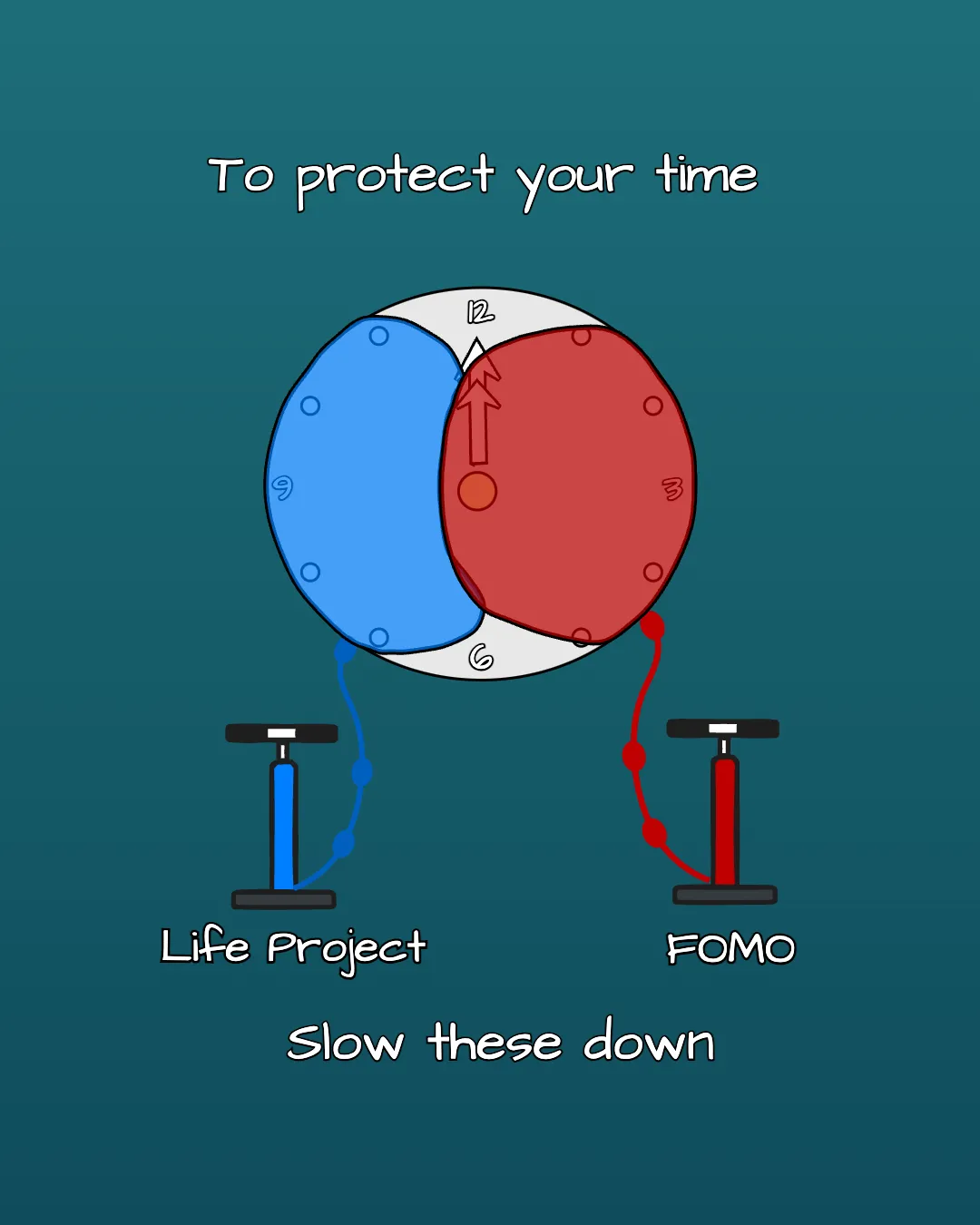
The Breadth Trap: Trying to Taste it All
Often I wish I could have a thousand lives, and even then it won't be enough. As if I'm stuck in a black hole, a day for me is like a month in the "outside world". Things are progressing so fast and I feel like I'm only getting further ahead from this rushing train.
"Anxiety is the dizziness of freedom." - Søren Kierkegaard
The speed of life alone can be disorienting, or Søren says, we can get "lost in the infinite". Especially now with AI, there's the feeling of either you're in or out. Subconsciously and even sometimes literally we're bombarded with these tempting "recommendations" - You have to try this new model, you have to develop your own app, open your side business, automate your boring tasks. You can work from anywhere, you should travel the world.
You can run as fast as you can, you'll never catch up to this train.
It's true that we can do much more nowadays than past generations, but while our capabilities grow by 10x, our expectations grew by 100x.
"Nothing is enough for the man to whom enough is too little" — Epicurus, Vatican Sayings
At work I already more than tripled my productivity, but I'm just expected to do more. I'm running faster only to stay in the same place.
Despite all advancements some things are still fixed - our time and our attention. We still have to choose how much time and more importantly focus to dedicate to each of our pursuits. And the more we have, the worse it gets.
It doesn't scale linearly, ten projects with 10% focus is much worse than having two projects with 50% focus. It's like trying to water more and more plants with the same amount of water. Instead of having a few healthy plants we get a balcony full of withering failures (guilty as charged).
The Depth Trap: Committing to the Wrong Thing
Let's say that you even manage to achieve greatness, what now? It seems like every day we hear of another Youtuber that "takes a break" to protect their mental health, that they lost their passion and want to fall in love with their creative work again.
We can become slaves to our mission, feeling forced to feed an ever growing monster.
Sometimes I feel it in my daily habits, when Duolingo forces me to practice every day otherwise I will lose my streak. The joy of learning a new language is what got me started, but feeding the streak is often what keeps me going, for better or worse.
This is a sure recipe for a life full of regrets, having dedicated so much time to something that no longer replenishes us, instead it drains us and overtakes even the small islands of wellbeing such as friends and free time that we would have wanted to protect.
"Even the winners in our achievement-obsessed culture—the ones who make it to the elite universities, then reap the highest salaries—find that their reward is the unending pressure to work with 'crushing intensity' in order to maintain the income and status that have come to seem like prerequisites for the lives they want to lead." — Oliver Burkeman, Four Thousand Weeks
The way Through: a Passion on "Slow mOde"
We're attacked by the hustle culture on two fronts. Either we do too little, or suffer the harms from doing too much.
Despite what we hear everywhere, having purpose doesn't mean to quit everything and focus just on that. It's not something that consumes us, it fits with our busy lives. Like a cat, it finds its place to squeeze in.
Find a hobby, keep it as such. Don't try to make it into a business, you don't have to talk about it on social media. Something you do for fun, for yourself. Passion is not the number of figures in our bank account, the number of likes we get, or even the number of countries we've visited.
If you're having fun doing what you do throughout the day, that's enough. Trying to make something more out of it or squeezing more "projects" will only bring you down. Sometimes less is more.
And if you're over committed, try to take a step back, to impose limits on how much time you dedicate to it, or at least not make any new commitments so that you could be available after this one is done.
Try to do less. Then see what naturally comes up from within, which passions rise, what sparks your curiosity. Take it in small doses. Like physical exercise, do often but not too much.
Recently drawing has become a passion of mine. I know I have "much to improve" (to say the least), but It doesn't stop me from creating. Most of it is "meh", probably won't even see "the light of day". But I don't care, I enjoy it and that's enough for me.
What's your "slow mode" passion?
Earlier issues
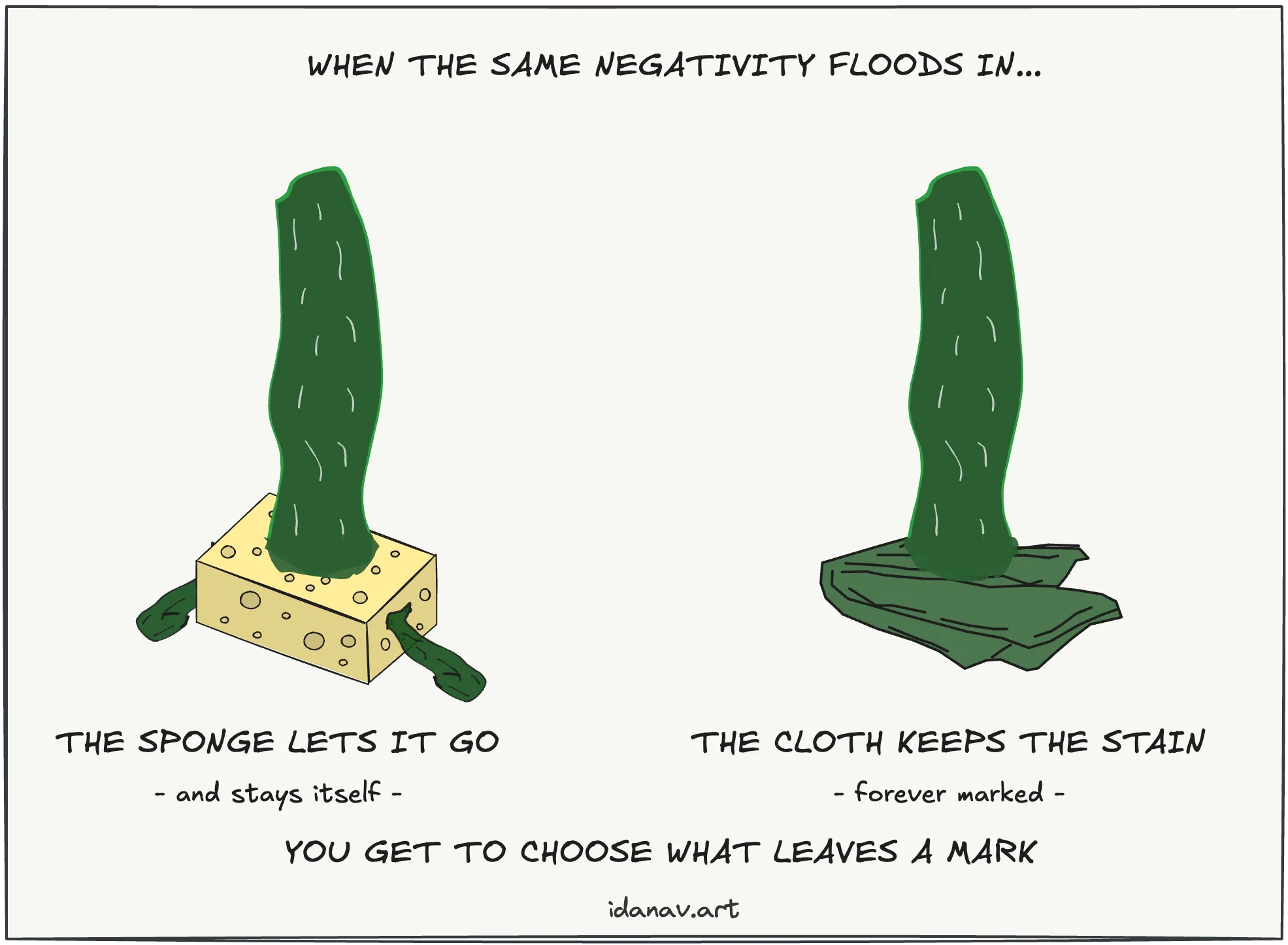
We tell people to "be like a sponge" — to soak up everything around them. But that image gets the sponge exactly wrong. A real sponge is not a passive victim of its surroundings; it actively decides what flows through it and what it refuses to let in. The question is never whether the world acts on us, but whether we let it act on us by default or by design.
Focus
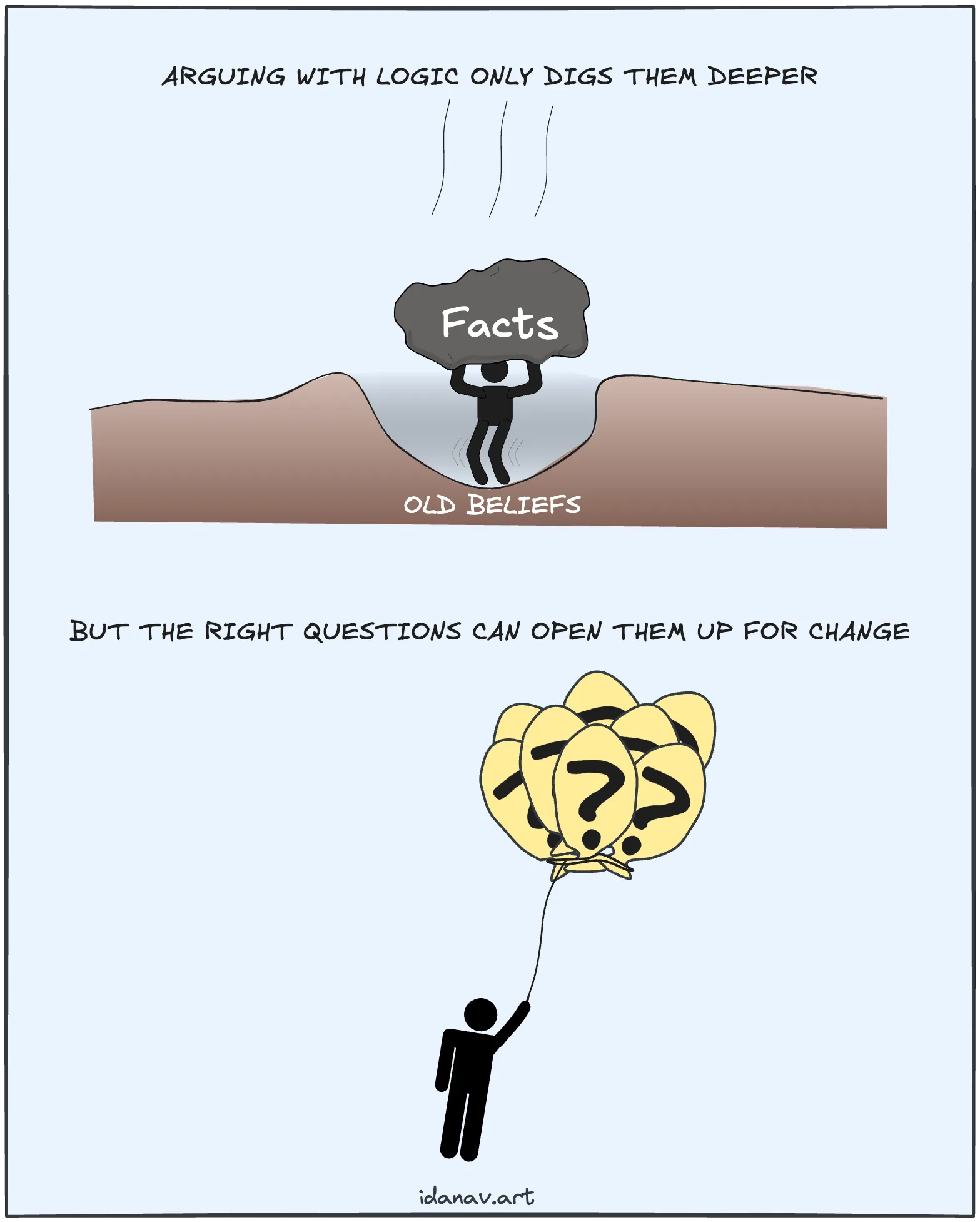
Most of us enter tough conversations waiting for our turn to speak, viewing the other person as an obstacle to be overcome. What if we shifted our goal from convincing them to genuinely understanding their values? By separating the person from their beliefs, you open the door to real, lasting change.
Communication
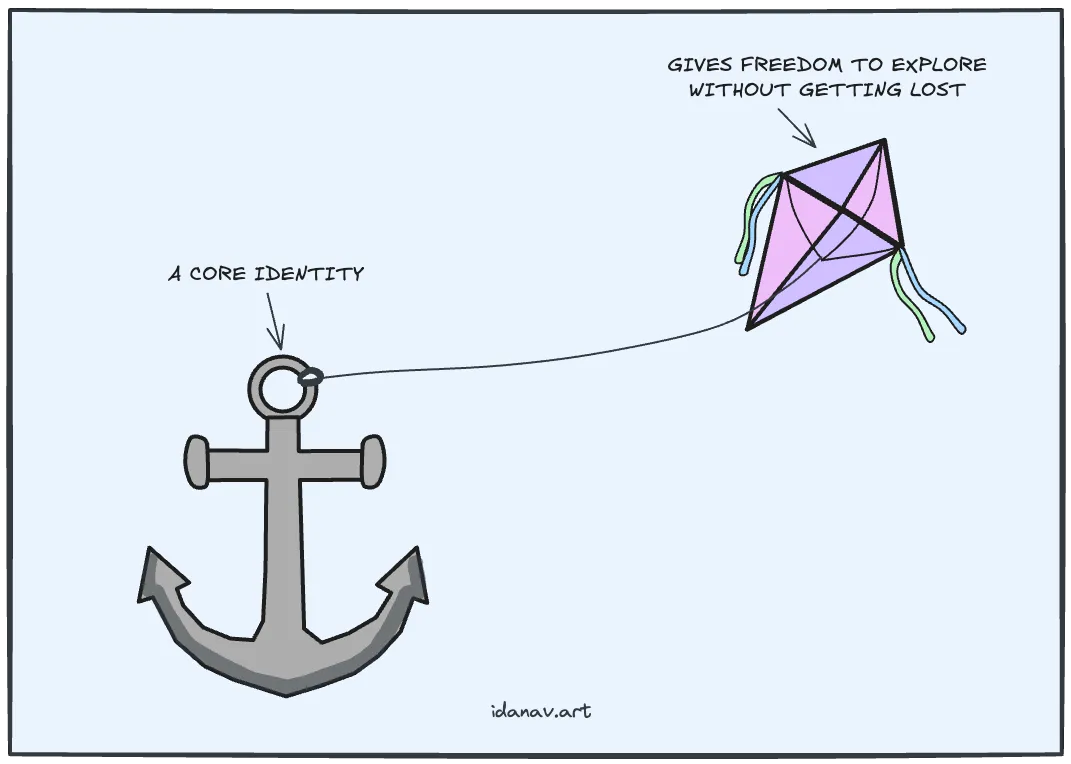
Is the pressure to "step out of your comfort zone" actually helping you improve, or is it just a form of self-punishment? Instead of moulding yourself to fit external expectations, it's worth asking if your current pursuits align with who you actually want to be or what you truly value.
Change
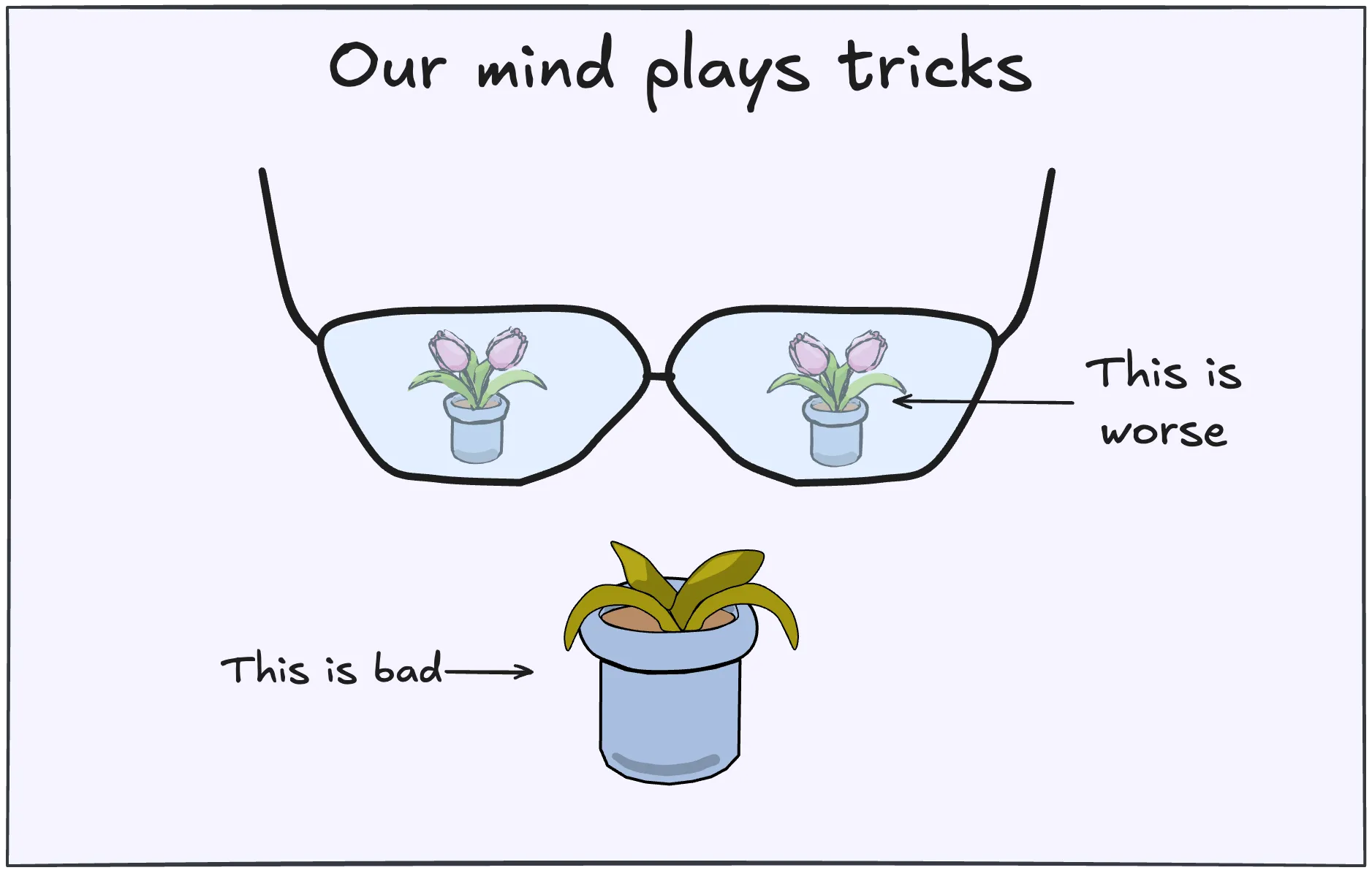
Winning an argument often feels like a victory, but it frequently comes at the cost of our own growth. When we prioritize protecting our identity over accepting external truths, we end up isolated and stuck. Perhaps it is time to ask whether being "right" is truly worth the price we pay.
Challenges
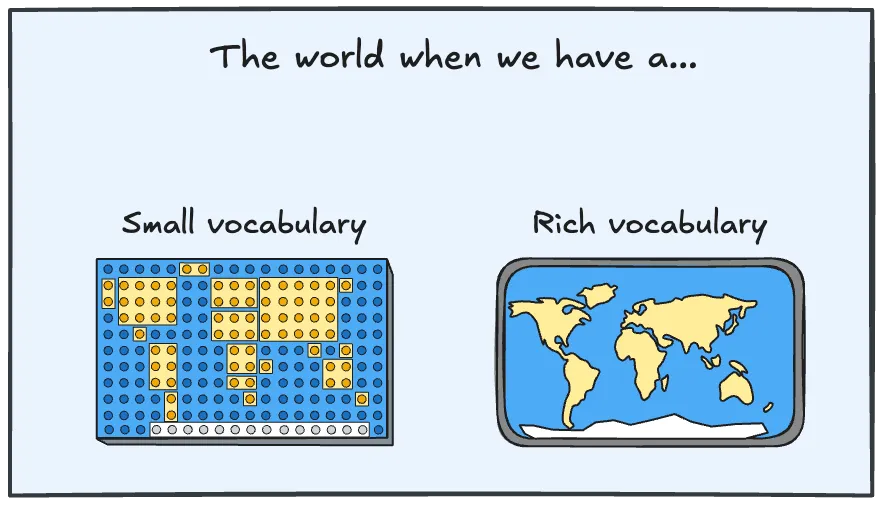
The ways we label the world actually change how we perceive it. If our vocabulary is limited, our internal map of reality often misses important nuances, much like a two-dimensional drawing of a mountain. How can expanding our language help us see details that were previously invisible to our own minds?
Habits
Option 1
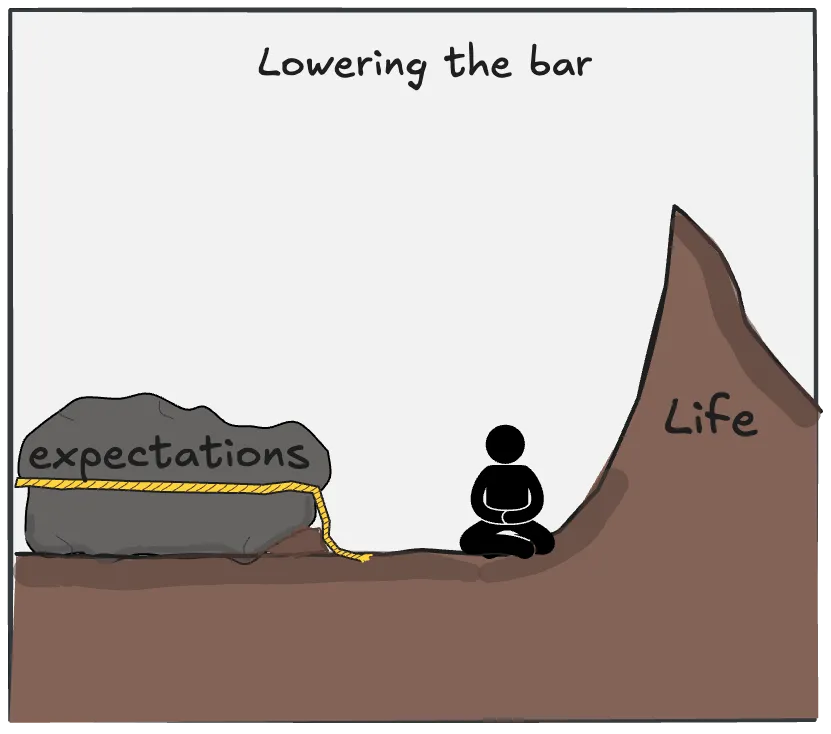
We often set impossible standards on the days when we have the least to give. Why do we treat our productivity like a constant when our actual capacity fluctuates so much?
Self-Control
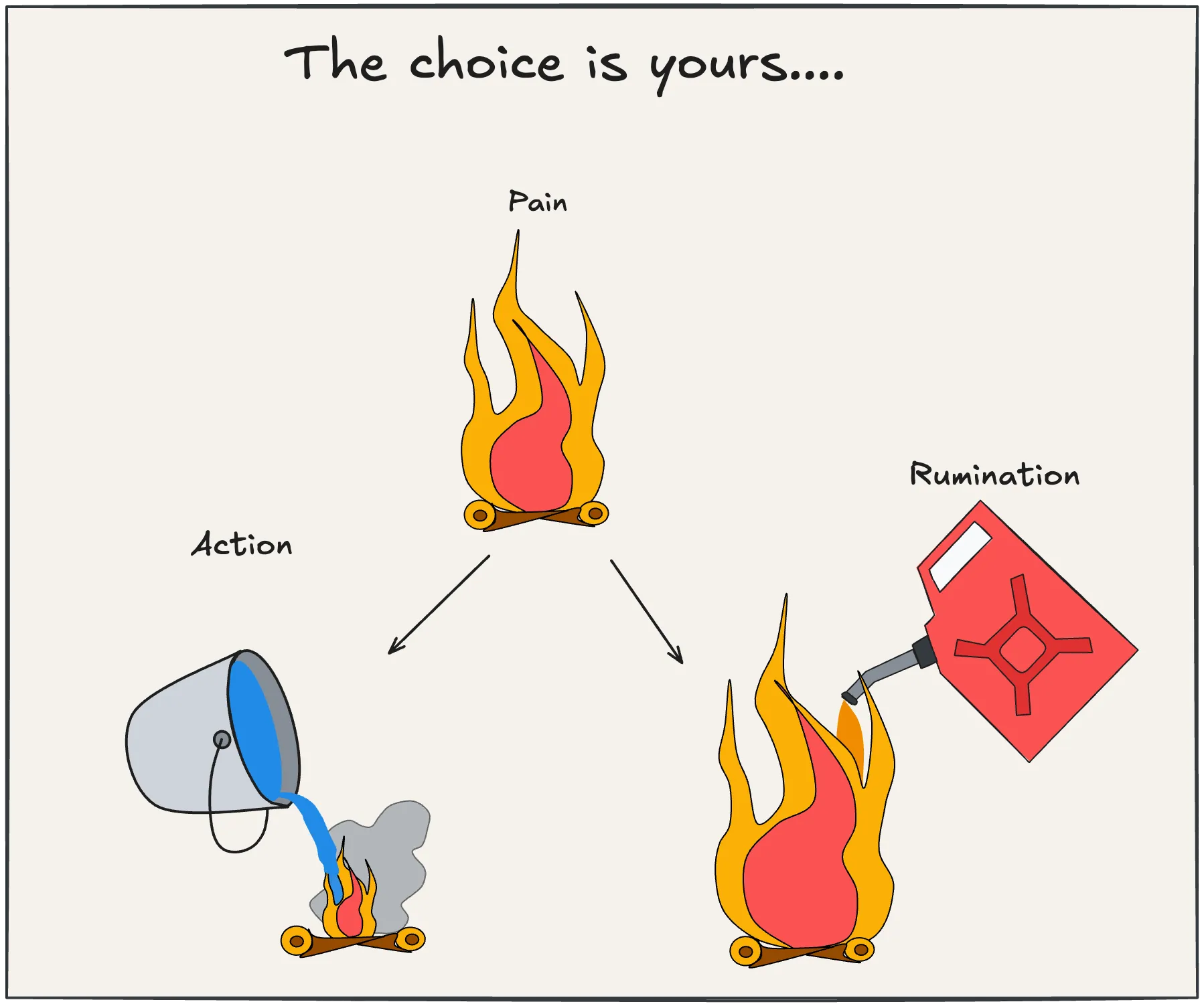
Life often throws a curveball when we least expect it. While we can’t control every external event or stroke of bad luck, we can control how long we let that discomfort linger. What changes if we start distinguishing between unavoidable pain and the self-inflicted stress of dwelling on it?
Self-Control
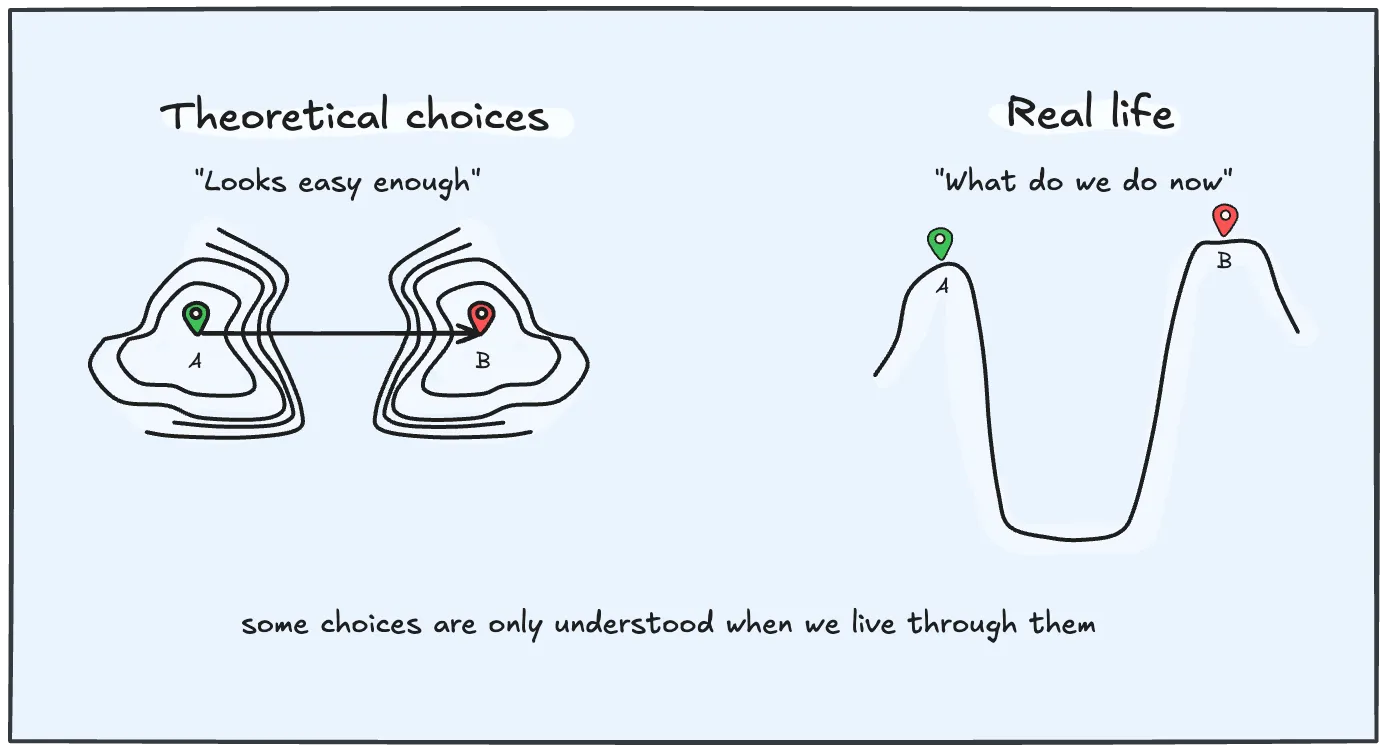
Most of us believe we would make the most logical choice in a crisis, yet we often freeze when things get personal. There is a significant gap between knowing the facts and experiencing the reality of a situation. If rationality has clear limits, how do we prepare for the dilemmas that haven't happened yet?
Ethics
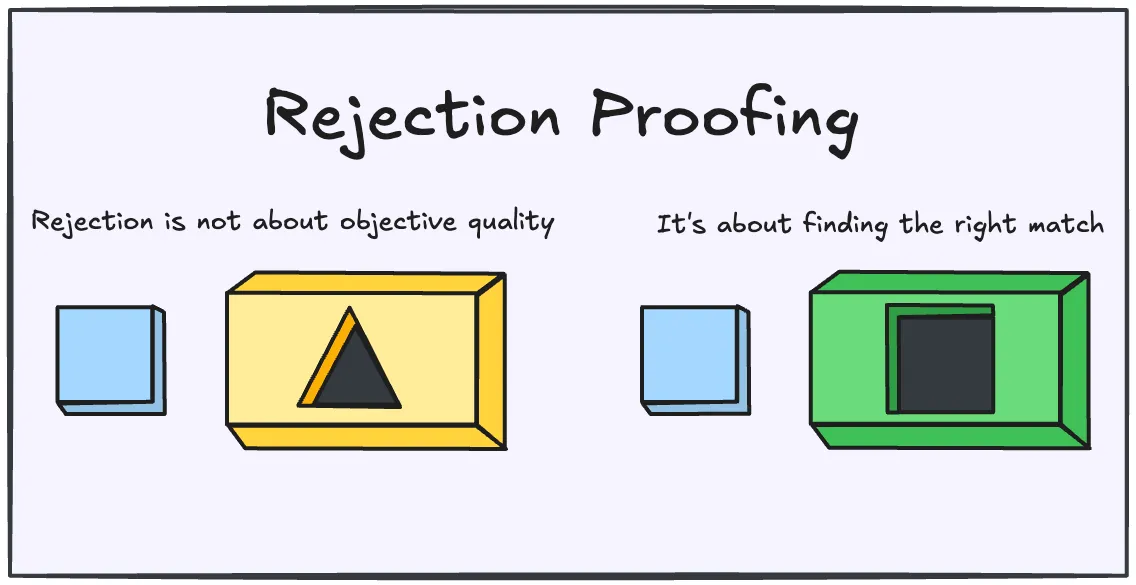
We often treat a "no" as a final verdict on our worth, but what if it is actually just a mismatched data point? Understanding rejection as a matter of fit rather than a character flaw changes how we approach new opportunities
Challenges